

Not every orchid species or hybrid can be grown everywhere or can be cultivated on a windowsill at home. In fact, the plants that thrive in our warm rooms only represent a very small part of the orchid family. The different forms, their interesting way of life and their long shelf life make these plants so popular. Having your own greenhouse is the dream of every orchid fan, and it can accommodate plants under near ideal conditions. Light, humidity and protection from cold temperatures can be adapted to the plants’ needs. The larger the cultivation space, the easier it is to maintain the desired cultivation conditions.
[1] The author’s cool-growing greenhouse
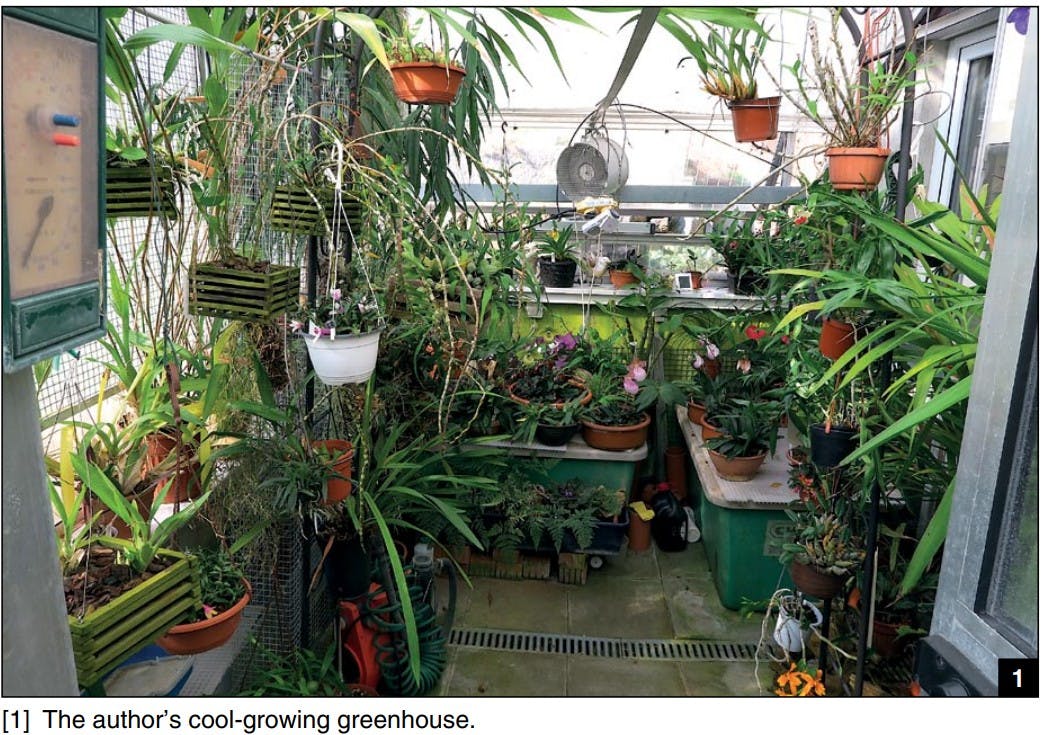
A significant step towards an almost optimal climate for orchids in a greenhouse is achieved when the ground inside the greenhouse is lowered by about 20 inches (50 cm) at the planning stage. There are virtually no limits to technical possibilities. But even the most ideal and automated greenhouse cannot replace the individual care of orchids.
RETROSPECTIVE Europeans used to find it difficult to cultivate orchids. Attempts to provide a hot and humid jungle climate in greenhouses were with little success. It was not until 1830 that the cultivation of these enchanting exotic plants was no longer unusual and, fortunately, specimens are no longer taken from the wild for trade. The technical equipment of a year-round greenhouse is complex. The house must be provided with effective shading. Good heating is another prerequisite for optimum cultivation success.
[2] The author’s warm-growing greenhouse.
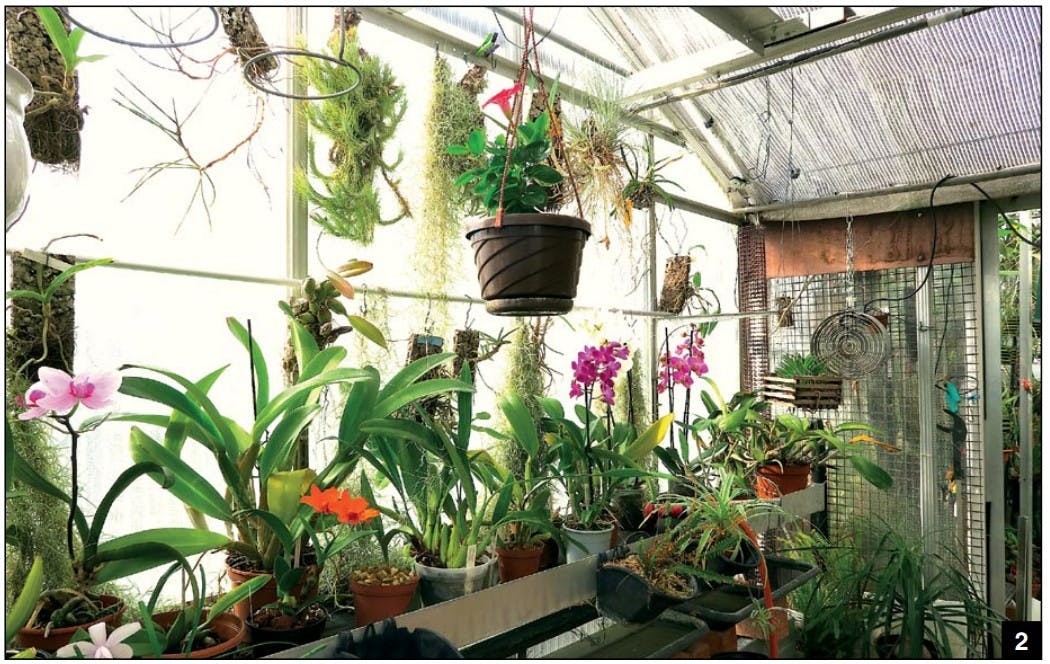
TECHNOLOGY Heating circuits should be provided for each climate zone, each zone with night-lowering control. For ventilation, it is best to provide automatic forced ventilation or temperaturecontrolled window openers. The air is humidified via controlled spray nozzles or humidifiers, whereby the control must be carefully adjusted. Water is preferentially rainwater or treated tap water in large quantities. Additional lighting or at least lighting for monitoring the greenhouse in the evening is a costly matter, and all electrical systems must be safely installed by professionals. It is possible to automate everything, but it is expensive. Tables with wire mesh are suitable shelves for pots to ensure good air circulation around the plants.
TEMPERATURES Over 100 years ago, it was realized that orchids require different climatic ranges depending on where they are found and their geographical altitude. However, it is impossible to imitate ideal conditions for each individual genus/species. Most orchids can adapt to unfamiliar environments. Knowing and maintaining the optimum temperature in the greenhouse is one of the basic requirements for healthy plants. Deciding on the appropriate temperature in the greenhouse is essentially based on knowledge of the natural habitat of the preferred plant species. Growth, flower and fruit development are highly dependent on the temperature. If the temperature is too low or too high, the plant will stop growing. Balanced temperature control forms the basis for healthy plant growth. Room and soil temperatures can be monitored using maximum–minimum or soil thermometers. The night temperature should drop significantly but not more than 50 F (10 C) and not less than 41 F (5 C). Plants suffer from cold draughts, so cool, flowing air should be avoided.
In principle, orchids can be divided into three main temperature classes depending on their origin: warm-growing plants should be kept at a minimum temperature of 59 F (15 C) at night, the temperature for medium growing plants should not fall below 55 F (13 C), while cool-growing plants can tolerate night temperatures of up to 50 F (10 C). The variety of species makes for an exciting hobby.
LIGHTING Well-lit plants must, with some exceptions, have bright green leaves. The yellow or dark brown coloration of the leaves can be a sign of insufficient lighting. Thin-leaved orchids growing on the ground (terrestrial orchids) require less light. They are accustomed to forest floors and the cover of a canopy of leaves. They can also cope with cooler temperatures. Orchids that grow on trees (epiphytes) require more light and somewhat higher temperatures for optimum results. Plants require a lot of fresh air or good air circulation. Most orchids thrive with twelve to fourteen hours of light on summer days and ten to twelve hours on winter days. A movable sunshade that regulates itself automatically would be ideal. Permanent shading that filters out about 60 percent of sunlight between mid-March and midOctober has proved effective, best if shading is mounted 8 to 12 inches (20–30 cm) above the greenhouse roof to allow for air flow. Diffused light is particularly good for orchids.
WATERING AND SPRAYING Watering plants correctly takes more caution than watering ornamental plants. Too much water causes the roots to rot. Too little water will dry the roots, and leaves will fall off. The goal is to keep the substrate constantly moist, but never soggy — just like their rainforest habitats where they have evolved. Different orchid species have different water requirements. Rainwater is preferred and should be at room temperature. Outdoor weather conditions play a major role when watering plants in the greenhouse. Since the plants are kept on multiple levels, water inevitably drips onto the plants below when spraying or watering plants above. This does not affect mounted plants; however, plants in pots, which remain moist for a relatively long time, may receive too much water, especially if the substrate contains a water-retaining medium such as sphagnum or peat. It is therefore advisable to choose a very airy and well-permeable substrate. Galvanized steel grids allow air circulation up and down the shelves. An electric water pump with a spray wand or a pressure sprayer is ideal for small areas. Cultivating orchids in a greenhouse is easier than on a windowsill, as plants dry out much more quickly if water is accidentally spilled. Of course, ventilation is always necessary, possibly with fans.
VENTILATION Optimal ventilation ensures good growth; ventilation flaps or at least one side window opening in the greenhouse is ideal. If days are too hot for your orchids, small fans below the plant level are sufficient, but make sure that they are not aimed directly at the plants or ventilated too intensively.
HUMIDITY Orchids thrive best at a humidity of between 60 and 80 percent. Spraying plants and the floor or ground in the aisle during the summer months is a good way of increasing the humidity. The humidity in the greenhouse can be monitored with a simple humidity meter.
Fertilizer Application The composition of the fertilizer should be balanced and preferably contain many trace minerals. Fertilizer should be applied evenly during the growing season. Fertilizer in the water not to exceed 350 µS/cm, which should be checked often with a measuring device.
THE COLD HOUSE This is where the former Odontoglossum species, their hybrids and many of the genera Masdevallia, some Maxillaria, Coelogyne, and representatives of other cold habitat genera are kept. Creating a cold house climate in summer is more problematic than creating a climate for a temperate or warm house. The old orchid growers had good cultivation success with their cold house. These successes were mainly based on the almost forgotten type of greenhouse, the earth house. In this type of house, a deep pit was dug, the side walls were walled off, and only the glass roof protruded from the ground. Constant moistening of the soil and good shading on sunny days resulted in a cool, humid atmosphere. The night temperatures should not exceed 61 F (16 C) during summer. In winter, temperatures as low as 45 F (7 C) are tolerated even at night, and the temperature should not exceed 55 F (13 C) during the day. These are only guided values; deviations do occur but should not go to extremes. The relative humidity should not fall below 80 percent in summer, but in winter, the greenhouse should be kept rather dry and not too humid. No precipitation should form on the plants. A cold greenhouse should also be equipped with a heating system.
[11] Oncidium (Odontoglossum) wyattianum
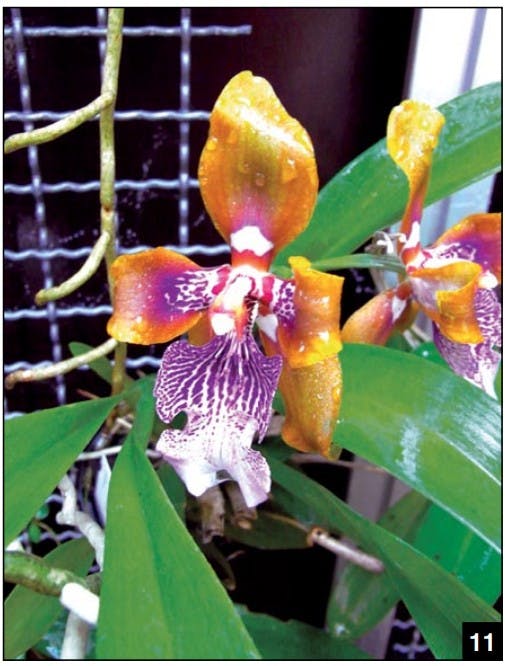
These epiphytic orchids are mainly native to the tropical mountainous regions of Central and South America. There they grow at altitudes of up to 11,500 feet (3,500 m). Because of their beautiful flowers, many former Odontoglosssum species have been used to breed to produce thousands of hybrids. The plants of this orchid genus thrive best in cool conditions, even in summer, ideally 72 F (22 C) during the day and 59 F (15 C) at night. In keeping with their origins in tropical cloud forests, they also require relatively high humidity and plenty of fresh air. During the growing season, the orchids should be kept evenly moist and sprayed frequently. In winter, the substrate should be allowed to dry out from time to time.
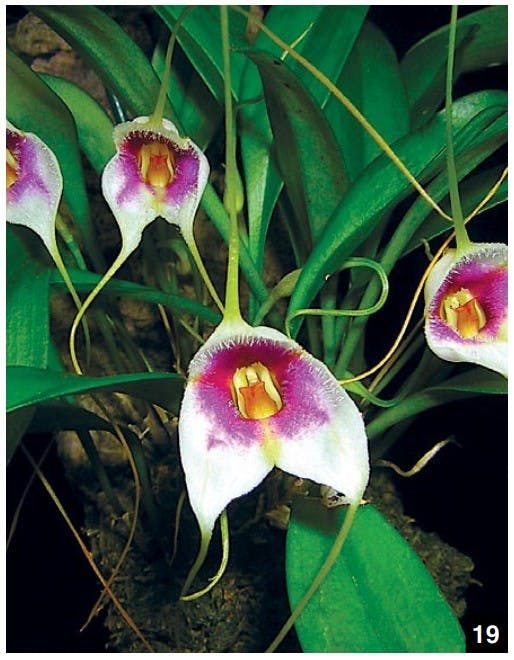
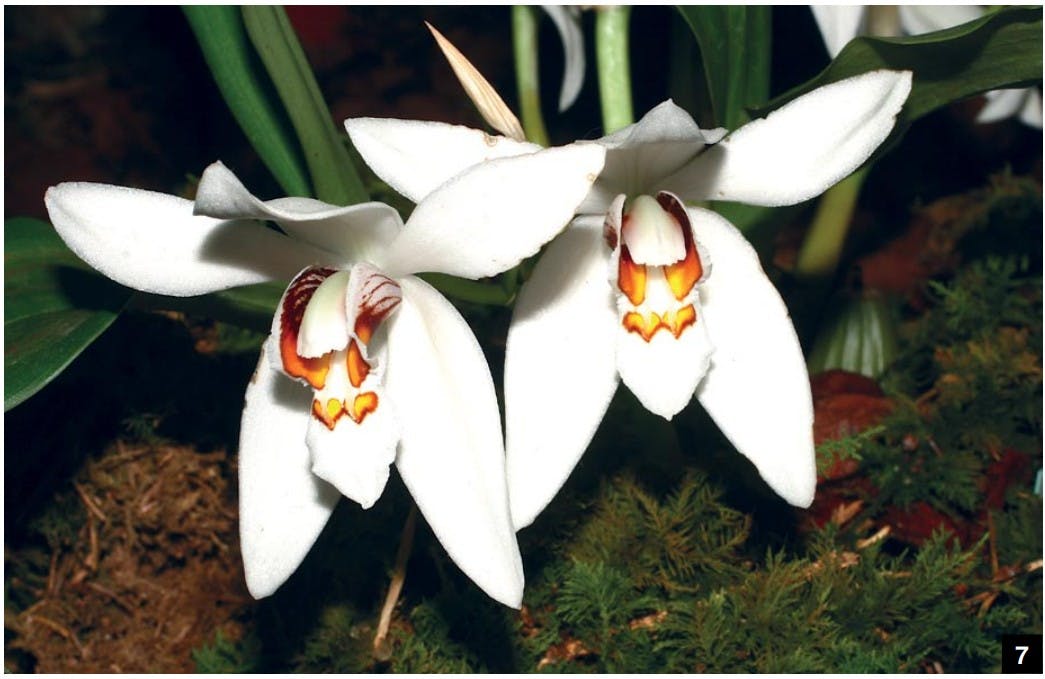
Masdevallias are a group of orchids that fascinate above all with their abstractly shaped yet beautiful flowers. Popular species are caudata, coriacea, exquisita, lineolata, veitchiana and various hybrids. Masdevallia are continuous bloomers that grow and thrive all year round without a break. A semishady to shady, cool location with the highest possible humidity is ideal. A breath of fresh air is always welcome. The plants should be kept at temperatures of 50 to 59 F (10–15 C) over the winter. Masdevallia prefer substrates that are kept evenly moist. Roots of this genus are very sensitive to salt, so it is advisable to water with rainwater or mix tap water with demineralized water (max. 350 μS/cm). With temperatures above 77 F (25 C), Masdevallia can be sprayed carefully with a spray bottle — but caution, if the temperature is too low and the humidity too high, it tends to develop fungal infestation on and in the leaves. Coelogyne can be elegant, ornamental or large-flowered; they are sought-after collector’s orchids. Most species are white or at least light colored. The distribution area of Coelogyne cristata stretches from the western to the eastern Himalayas via Assam and Sikkim in northeast India, Nepal, Bhutan and Java. The plants grow there at an altitude of 4,900 to 8,500 feet (1,500–2,600 m) under cool to cold conditions. In their natural habitat, the plants are exposed to monsoon rain for a large part of the year, while the rest of the time there is no rainfall, but very high humidity caused by fog.
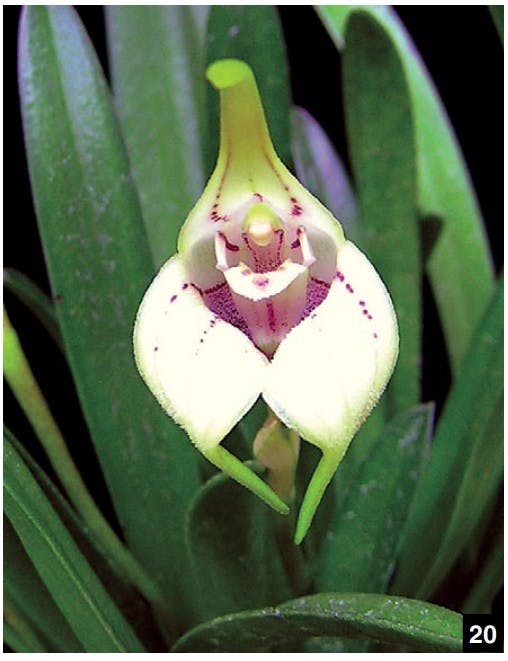
[19] Masdevallia exquisita
[20] Masdevallia coriacea
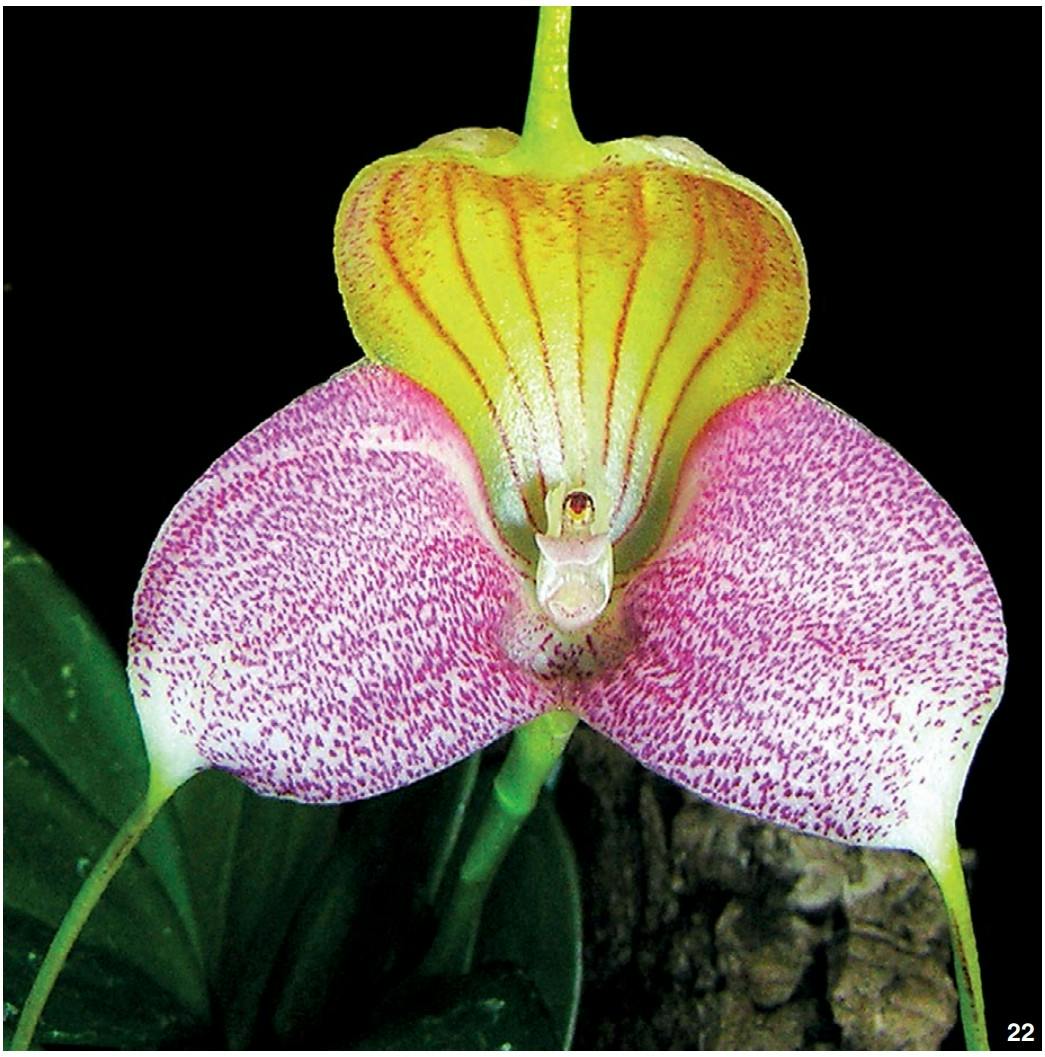
[22] Masdevallia caudata
[8] Coelogyne cristata grows in the author’s cool-house.
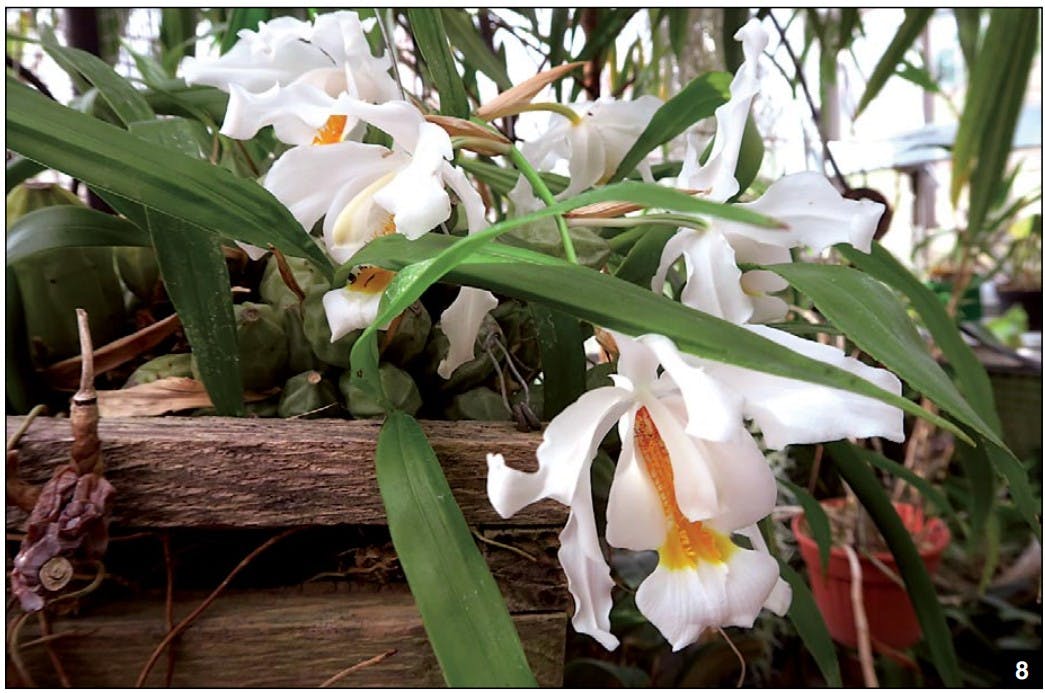
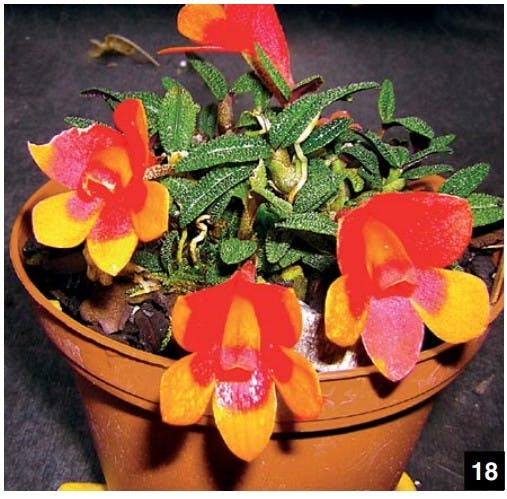
Due to their wide distribution, there are Coelogyne species that require very cool conditions, especially for Coel. cristata and Coelogyne corymbosa. Both species are native to the Himalayan region, where they grow at altitudes up to 8,200 feet (2,500 m). During their growth in summer, the plants require regular watering. During the dormant period in winter, watering is virtually discontinued, even if the bulbs shrink a little. Dendrobium cuthbertsonii and Dendrobium (cuthbertsonii × sulawesiense) — the former is orchid that grows epiphytically at 2,460 to 11,500 feet (750–3,500 m) on mossy rocks near streams in New Guinea — grow and bloom in cool to cold conditions with high humidity and good air circulation. Regular watering and weekly fertilization throughout the year will result in a single flower on the terminal to axillary inflorescence. Temperature conditions are between 50 and 68 F (10–20 C) during the day and 41 F (5 C) at night, which are not easy to achieve — especially in summer. The hybrid is easier to cultivate.
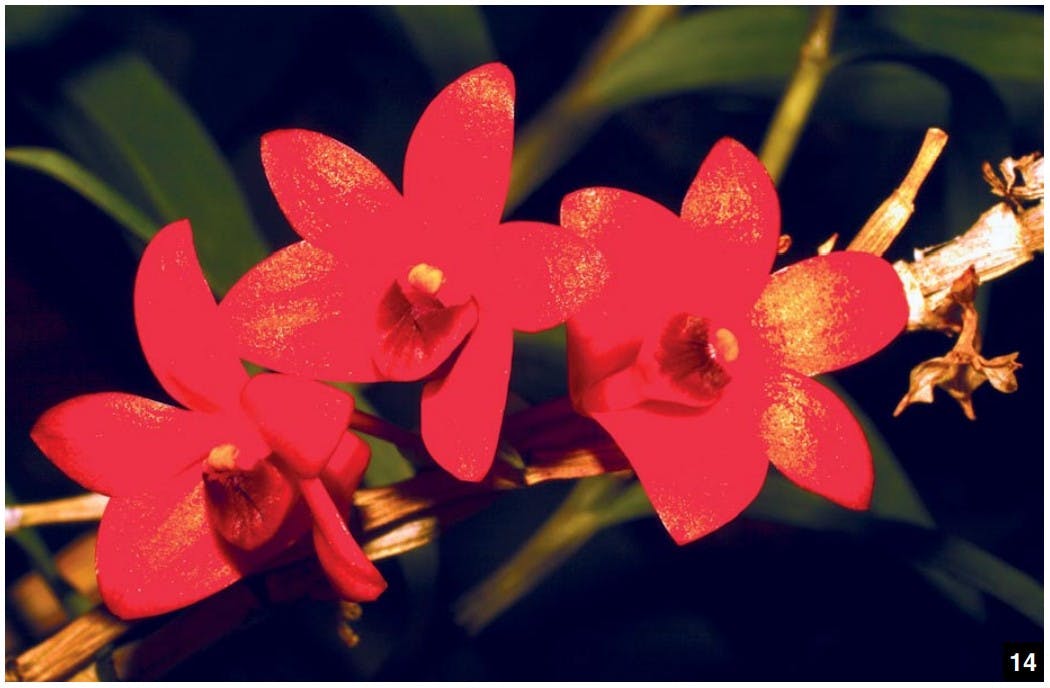
[14] Dendrobium mohlianum
[18] Dendrobium cuthbertsonii
[7] Coelogyne corymbosa
THE TEMPERATE HOUSE Oncidium, Paphiopedilum and Dendrobium species, including their hybrids, grow in the temperate house. Cattleyas and their hybrids also thrive there — with a few exceptions. Brassia and some Vanda feel at home in a temperate environment. The temperatures should be maintained as follows: In summer 64 to 72 F (18–21 C) during the days and 64 F (18 C) at night; in winter 61 to 64 F (16–18 C) during the day and 55 to 61 F (13–16 C) at night. These are only guidelines; deviations always occur, but they should not be extremely cold, especially in winter. For cattleyas and some other genera, it is important to maintain a day–night differential of 10 F (~5 C) during the growth phase for the plant to flower. Unfortunately, this is very often ignored, and the lack of flower formation is then blamed on other causes. Particularly important is to ensure good air humidification during the warm season. Intensive air circulation prevents the plant from burning in the heat buildup, prevents root diseases and limits the formation of algae on the substrate.
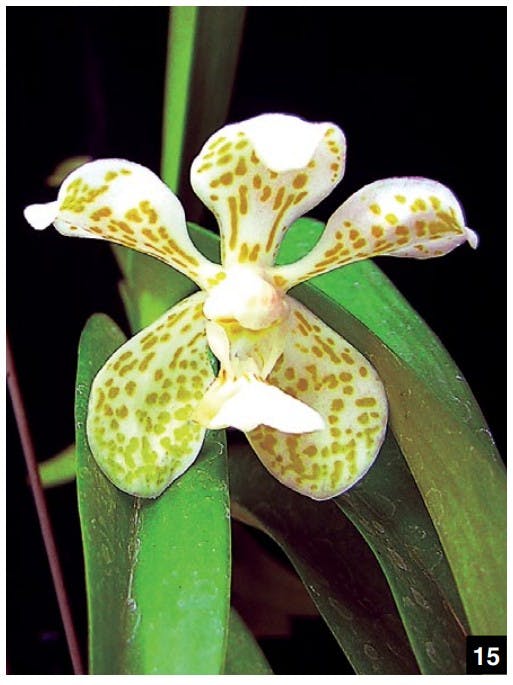
[15] Vanda sauvis (Semialba form)
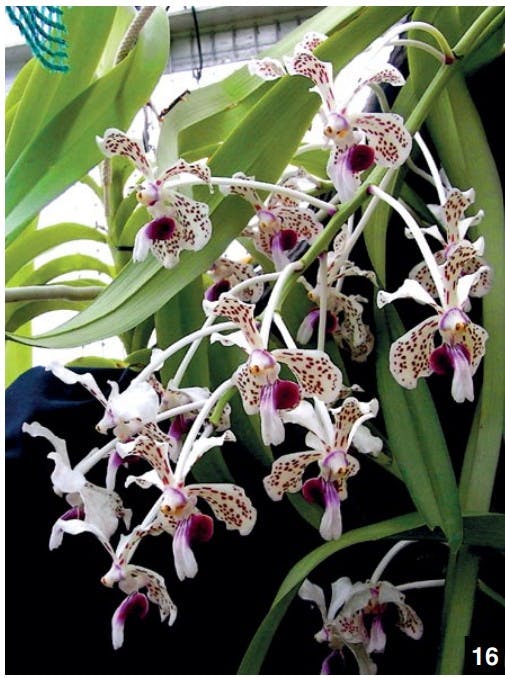
[16] A typical color form of V. sauvis.
[3] The author’s Brassia Rex grows in her warm house.
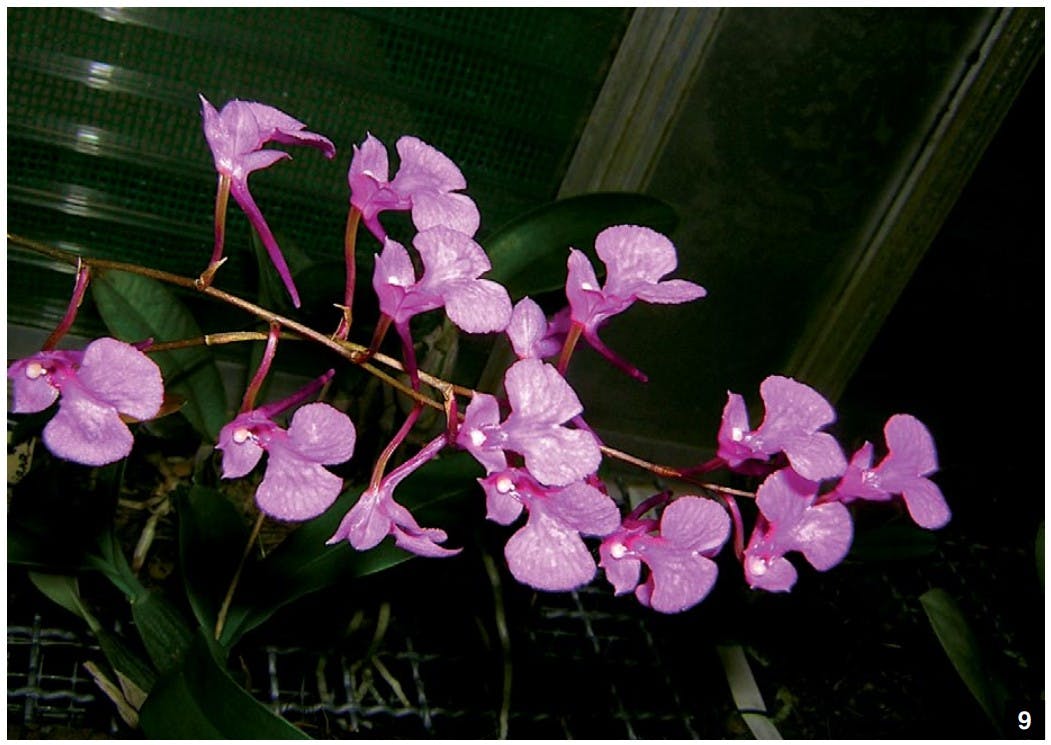
The genus Comparettia is native to tropical Central America and, in keeping with their origin, they prefer constant temperature conditions. The plants do not tolerate very dry conditions, so even moisture of the substrate and 70% humidity is appropriate. After flowering, there is a short resting period with reduced watering until new shoots appear. Cultivation is not easy, as the plants are very sensitive to too much or too little water.
[9] Comparettia falcata
[6] Brassia verrucosa
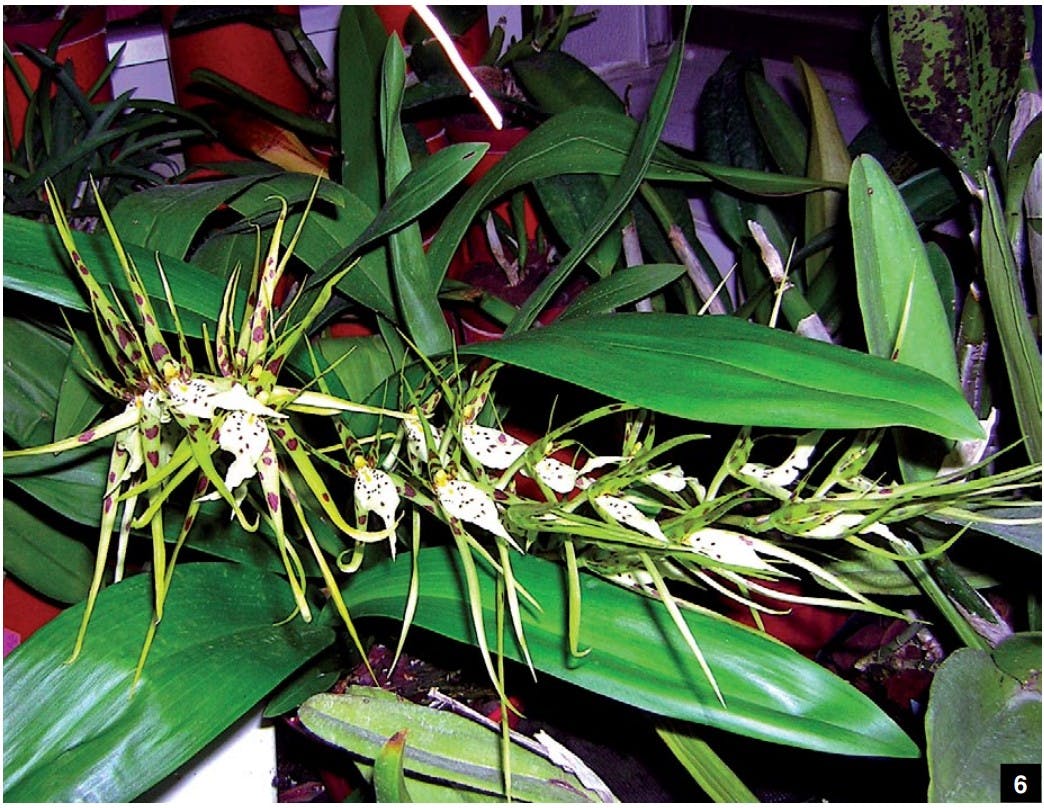
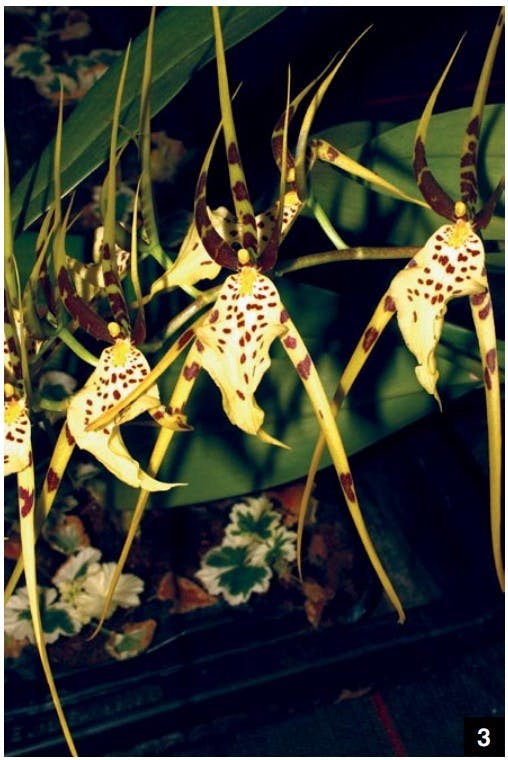
The genus Brassia was named after the explorer and plant collector William Brass. The epiphytic species are all native to tropical America from South Florida to Mexico and Brazil. This genus is also known as the spider orchid with its very long and narrow petals and sepals that look like spider legs. The pleasantly fragrant flowers, especially at midday, form a loose-flowered cluster. Plants should be watered abundantly from spring to fall. They also need plenty of light and good air circulation but not be exposed to the full sun. The room should be kept at a moderate temperature during this time. At the end of the growing season, watering should be slowly reduced to allow the bulbs to mature. During the dormant period, the plants should be kept somewhat cooler and drier. To ensure beautiful flowers next year, avoid early budding in winter.
[4] Rodrettia Fiesta
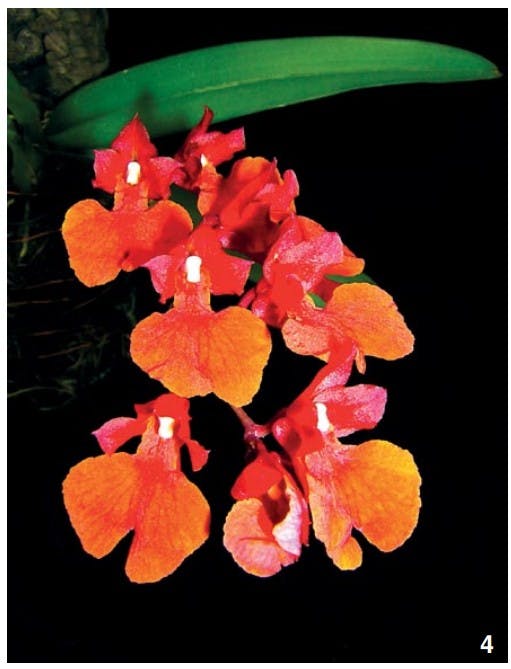
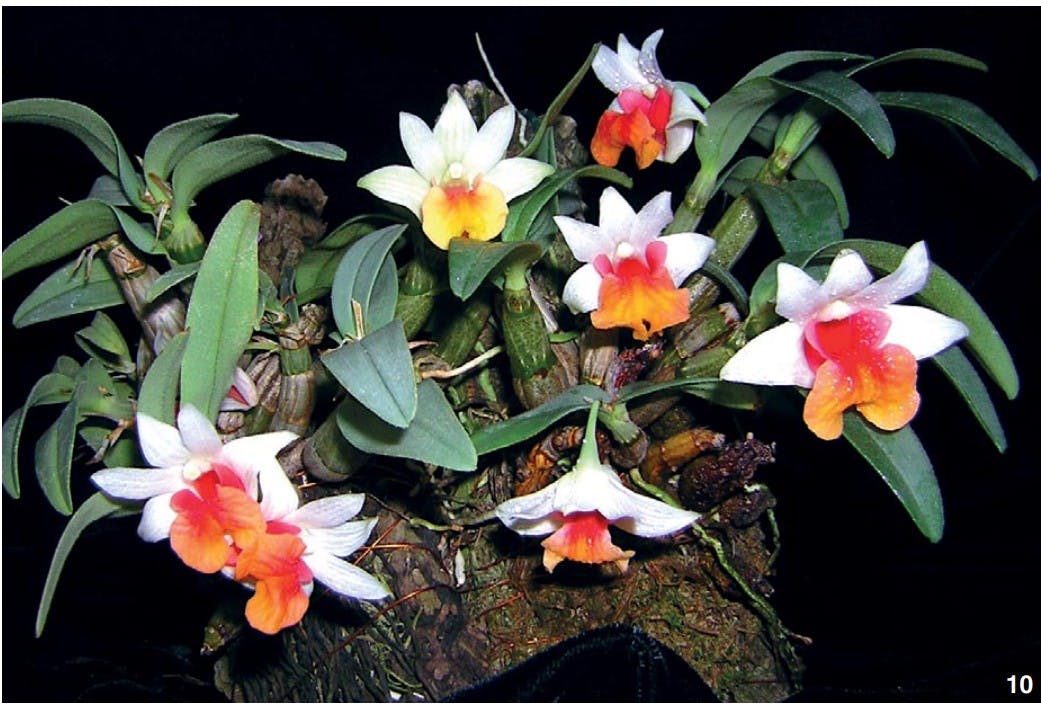
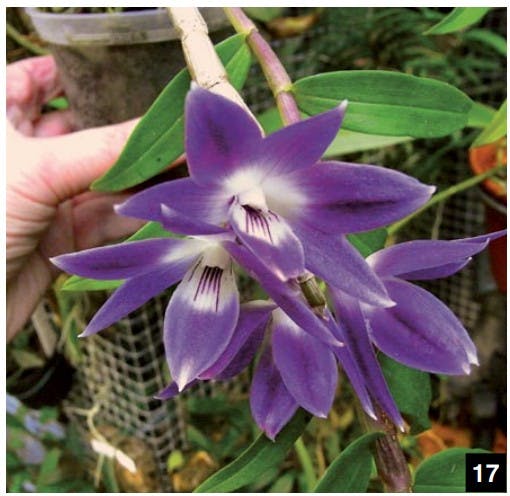
Dendrobium, an epiphytically growing, relatively large genus, is also indicated by its name, namely: living on trees. The distribution area covers South Asia and Australia. The occurrences are distributed from the warm tropical sea level to the cool mountain tops. There are species with evergreen, permanent leaves and species that shed their leaves annually, usually during the dry season. The inflorescences often form magnificent racemes with attractive flowers. Many species require temperate conditions. Water abundantly during the growing season. During this time, they also tolerate plenty of light, high humidity and even a lot of heat. When the new shoots are fully grown, they need to be kept cooler for a month and kept almost completely dry. The flowers will develop properly if they are kept warm again and watered generously. After flowering, a new growth period begins.
[10] Dendrobium bellatulum
[17] Dendrobium victoriae-reginae
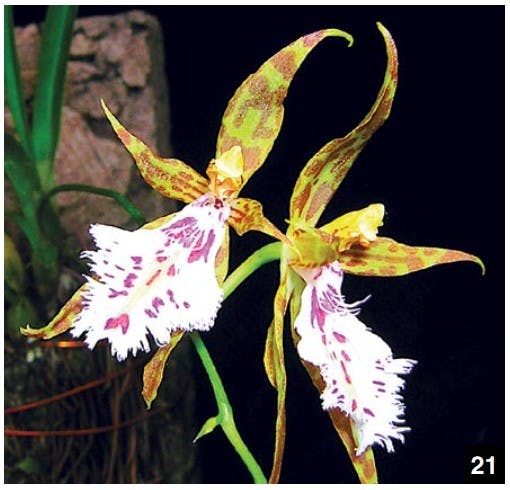
Oncidium grows in all cultural spaces and can be cultivated in greenhouses as well. Species such as Oncidium cheirophorum and Oncidium sotoanum (long erroneously called Oncidium ornithorhynchum) are compact-growing plants and can be cultivated together. The distribution of Onc. cheirophorum extends from Nicaragua to Costa Rica to Colombia. One or two multiflowered inflorescences with usually over 30 flowers appear from the bracts of each shoot. The fragrant, golden-yellow flowers last for four to six weeks. Oncidium sotoanum is widespread and a popular species among enthusiasts. Its habitat ranges from Costa Rica to Mexico. Usually, two inflorescences appear per new shoot. They can grow up to 20 inches (50 cm) high, hang downwards and are densely multiflowered. The flowers are very fragrant and have a beautiful, light purple to rose-red color. Both plants prefer a bright, temperate location. The optimum temperature is 64 to 77 F (18–25 C), dropping to 59–68 F (15–20 C) at night. Winter temperatures should be 64 F (18 C) during the day and 59 F (15 C) at night. In summer, when a new shoot is growing, the substrate should always be kept moist but must not be waterlogged. Therefore, water it well and allow the water to run off. In winter and after flowering, the plant requires a rest. Water enough to prevent the bulbs from shrinking too much. During the growth phase from March to October, fertilize only lightly every 14 days, as the roots of Oncidium are quite sensitive. Fertilization is suspended during the low-light period (November to February).
[21] Oncidium tenuoides (Odontoglossum tenue)
The genus Gomesa is largely a former Oncidium genus, and Gomesa concolor (syn. Onc. concolor) is particularly pretty. The species grows in the Organ Mountains in Brazil at altitudes of about 3,280 feet (1,000 m). The loose-flowered inflorescence, which arises from the base of the bulb, is usually pendulous and bears six to 12 bright lemon-to-golden yellow flowers that last for up to three weeks. Paphiopedilum are easy to cultivate in the greenhouse. The characteristic shoe-shape of the lip is fascinating and striking so this genus can be clearly recognized as a lady’s slipper.
[12] Paphiopedilum wardii
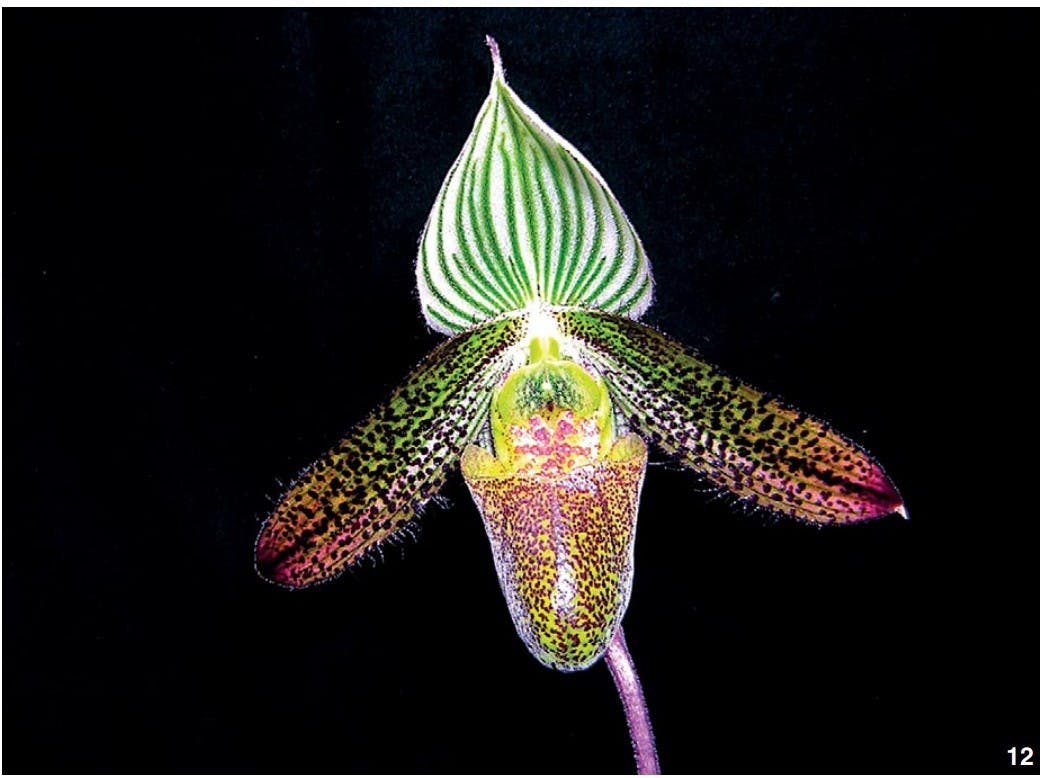
The occurrence of Paphiopedilum or lady’s slipper orchids is limited to Southeast Asia, where they colonize almost exclusively in shady locations without direct sunlight on mossy limestone rocks at altitudes of 1,000 to 5,250 feet (300–1,600 m). The habitat conditions are generally in the temperate range. However, some species also grow at higher altitudes under cooler conditions. As terrestrial orchids, lady’s slippers do not like direct sunlight, only partial shade. Paphiopedilum must always be kept evenly moist so that the roots remain active and the plant can develop optimally. The lady’s slipper orchid is very sensitive to water in the leaf axils. For this reason, it is preferable to immerse the pot in water, rather than water from above. Fertilize only from spring to autumn. Always use orchid fertilizer and, as a tip, use half the recommended concentration.
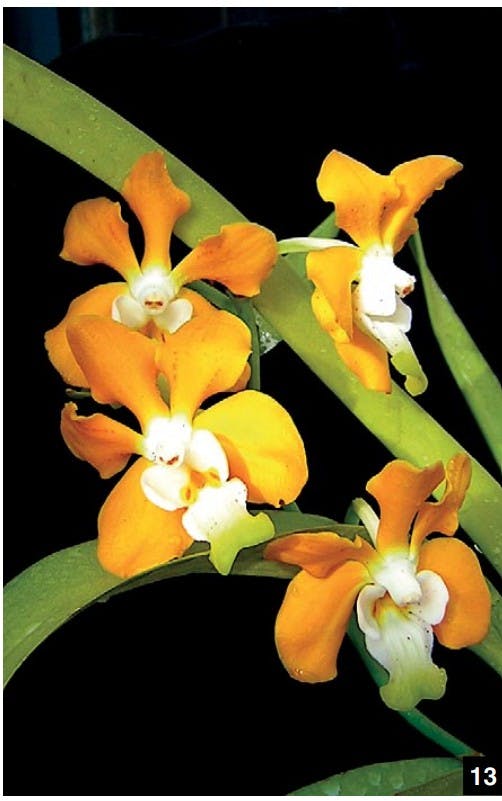
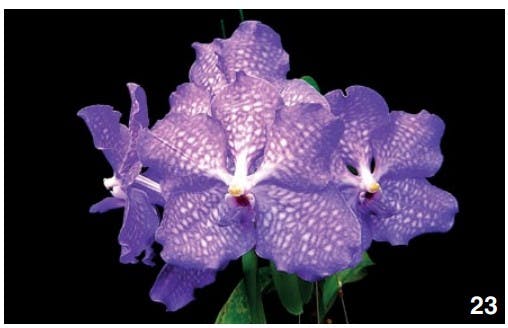
THE WARM HOUSE The warm house allows the greenhouse owner to take a daily trip to tropical realm. Palms, ficus, carnivorous plants, tropical orchids and bromeliads transport plant lovers to another world. Genera such as Phalaenopsis, Dendrobium bigibbum (syn. Den. phalaenopsis) hybrids, Catasetum, Calanthe (there are also cold-growers) and special ones, such as Aerides, Aerangis and Angraecum, Vanda and its hybrids and Rhynchostylis can be cultivated. Although relatively few genera are suitable for the warm house, there is always something in bloom, making it the corner with the most flowers. The humidity must be kept high and requires the use of very good humidification equipment. The recommended temperatures in summer are 70 to 80 F (21–27 C) during the day and around 70 F (21 C) at night and in winter 70 F (21 C) during the day and 64 F (18 C) at night. Vanda species are distributed in tropical Asia from India and China via Indonesia to New Guinea and the Philippines. The plants hang on tree tops and form strong, long “aerial” roots to find sufficient nutrients and moisture. They need a warm location, which can be somewhat cooler during the dormant season. All species need plenty of light and fresh air, with sufficient humidity through frequent spraying and regular watering. Most Vanda species are relatively easy orchids to care for in the greenhouse. Phalaenopsis species are only found at altitudes of 650 to 1,300 feet (200–400 m) in the Asian tropics and therefore require extremely warm conditions. Some species, such as Phalaenopsis schilleriana, have marbled leaves. They love shady locations, high temperatures and high humidity. When watering, be sure no water remains at the tip of the shoot, as this can lead to rotting of the new leaf. Phalaenopsis grow quickly and do not have pseudobulbs to store nutrients so need to be fertilized regularly. It is best to add a fertilizer to the irrigation water every two weeks according to the instructions. Dendrobium bigibbum (syn. Den. phalaenopsis) originates from New Guinea and northern Australia. The plants like warmth in the summer with temperatures between 68 and 82 F (20– 28 C). Place this beauty in a bright spot, but it can also cope with a semishaded location. The humidity should be between 40 and 60 %. In the fall, there should be a temperature difference of around 10 F (~5 C) between day and night. In winter, the temperature should not fall below 64 F (18 C) but should be kept at a constant 68 (20 C). Even in winter, it needs light in a partially shaded location. Water only when the substrate is completely dry. Fertilizer is added to the water every two or three weeks during the growth and flowering period. In winter and after flowering, it does not need any additional nutrients. Dendrobium bigibbum have very sensitive roots, so fertilizer should be applied at half the manufacturer’s recommended strength. The flowering period begins in the fall and continues into the spring. Many specimens can flower for several months.
[13] Vanda denisoniana
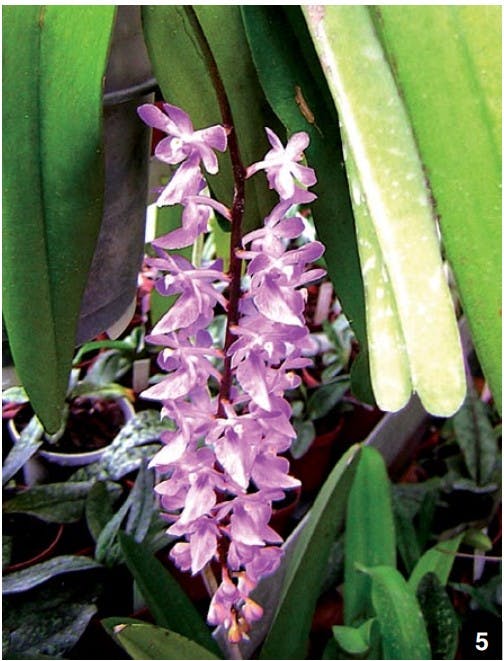
[5] Aerides rosea
[23] Vanda coerulea
Aerides are monopodial epiphytes that live on trees. Their habitat ranges from Thailand and Myanmar to Laos and Vietnam and into the Philippines. Aerides species are best cultivated in lattice baskets, on cork bark, or on tree fern slabs to give their strong, proliferating aerial roots free space. They need constantly warm, moist and airy growing conditions. In winter, a temperate, not too dry location is sufficient. Happy growing!
Reference
Plants of the World Online. 2025. Facilitated by the Royal Botanic Gardens, Kew. https://powo.science.kew.org/. Accessed January 6, 2025
— Gisela Utz has been growing orchids for many years. The photographs included here of her greenhouse and orchid collection are a small sample of the diversity of her collection (email Gisela.Utz@web.de).