

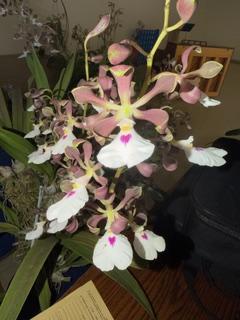
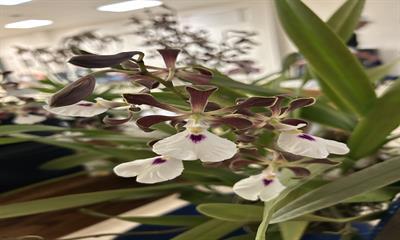
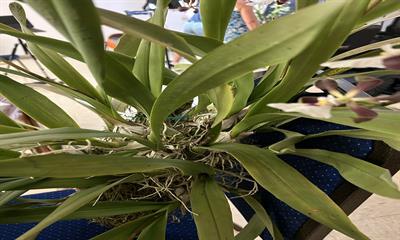
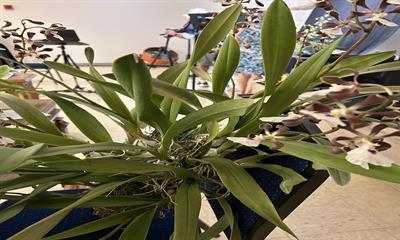
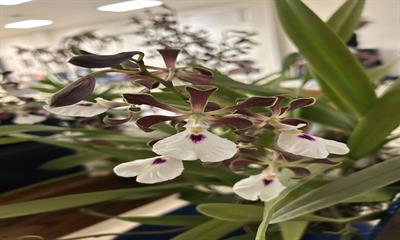
Encyclia randii 'Audrey Pilafian' AM 2026-04-24 determined to be E. cordigera (Macrochila-type)
Posted on April 24, 2026
Finding
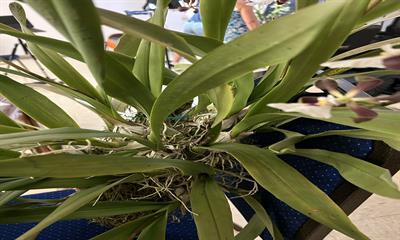
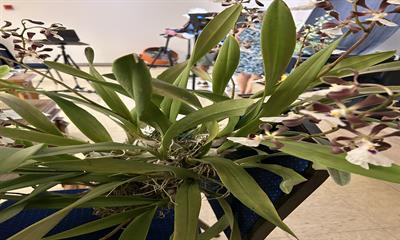
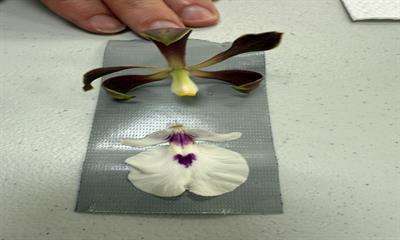
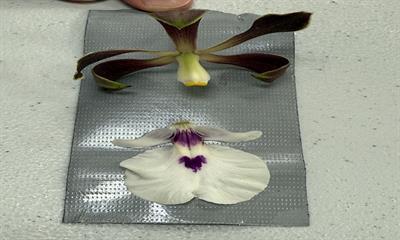
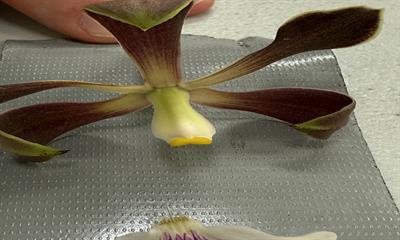
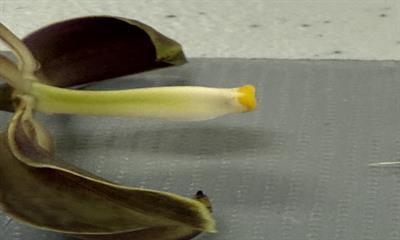
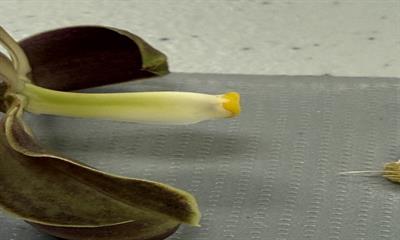
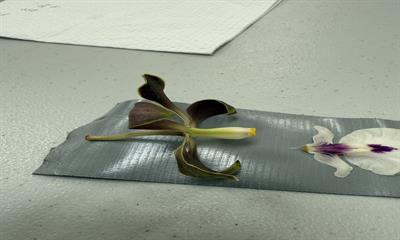
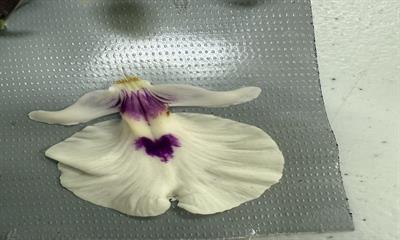
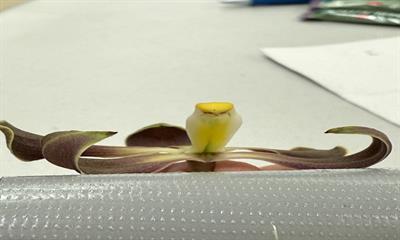
SITF has determined this plant to be Encyclia cordigera (E. macrochila type), not Encyclia randii (Jun 2026). The lip and flower color is not correct for E. randii. Refer to Ed Merkle's post in the AOS: https://www.facebook.com/groups/americanorchidsociety/posts/10156250075344840/
American Orchid Society
Ed Merkle
"Encyclia macrochila, a species from Central and South America. Nice large, long-lasting, fragrant flowers. Originally described, but then later considered as a variety of Enc. atropurpurea. When the pink flowered Enc. species ID was corrected from atropurpurea to cordigera this species was lumped with it, then they thought it was Enc. randii, but has now gone back to original description." Kew POWO considers E. macrochila to be a synonym of E. cordigera. This flower is almost identical to the photos of E. macrochila in his AOS posting.
See more Encyclia SITF listings
Learn more about the Encyclia genus

Discover the top vendors in the orchid community and their special offers on all things orchid.
If you are an AOS member, you also save 5% from every vendor.
Two-Year AOS members also receive over $600 worth of coupons from the ELITE Marketplace Partners.

FREE ACCESS: Orchid DealWire
Get notified when orchid vendors have special promotions and exclusive savings.